Producing fish feed for aquaculture is a complicated process, providing ample nutrients at economically viable costs can be a determining factor in the success of an aquaculture operation. The fundamental parts of the feed include protein, carbohydrates and fats. Part of the fat is the good omega-3 fatty acids that make fish so healthy for humans. Marine omega-3's are produced by microalgae and other microbes at the base of the aquatic ecosystem, they are then concentrated up the food chain into cold water fish like salmon, herring, sardines, and cod. The feed for most salmon farming operations rely heavily on natural fisheries to supply these nutrients. It’s the fish meal from wild fisheries (source of Omega-3's) that feeds aquaculture. Of course the fish meal is mostly made up of small fish such as anchovies, herring and menhaden, or increasingly by the by-products from processing marketable fillets and other products for human consumption. The beneficial health effects of Omega-3's are substantial, in fact a recent study from the Harvard School of Public Health listed a lack of these healthy marine omega-3 fatty acids in the average american diet as the 8th highest preventable cause of death in the US, responsible for 84,000 deaths a year.
. For more details on Omega-3's go here <http://www.umm.edu/altmed/articles/omega-3-000316.htm[MR1] [MR2] > . I also like http://www.fish4health.net/ They have an iphone app
Understanding fish nutrition is a full time job for scientists like Ron Johnson at NOAA's Northwest Fisheries Science Center. Ron has been working on a project for three years that looks at the transport of essential fatty acids, like Omega-3's, from feed to salmon eggs and flesh. His work will provide insight as to how the omega-3's are absorbed and retained in the eggs based on what the fish are being fed. The understanding of these mechanisms could potentially allow the salmon farming industry to use different feed sources that contain less fish oil, are less expensive, and then finish the salmon on Omega-3 rich feeds to make a healthy product for human consumption. Ron's project will hopefully allow us to understand the retention of Omega-3's in salmon so that we can feed them at a lower cost as well as reduce the industry’s dependence on wild fisheries for fish meal. This could also allow the use of more sustainable protein and fat sources in fish feed.Oh the wonders of science!
Thursday, January 7, 2010

Wednesday, December 16, 2009
Atlantic Salmon Genome Mapping
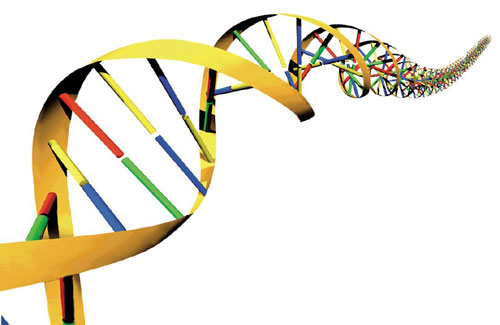
Here is an article discussing the plans to map the Atlantic Salmon Genome, this project is being funded by Chileans, Norwegians and Canadians (naturally seeing as they are the three major producers of farmed Atlantic Salmon)... The article states :
"The genome will be an important public resource that may lead to better management of wild fish stocks, breeding selection for commercially important traits and improvements in food quality, security and traceability. In addition, the genome will provide important clues about the impact of farmed fish escapees on wild populations, conservation of at-risk populations, strategies for combating pathogens, as well as allowing for more accurate assessments of the sustainability of aquatic environments."
To understand some of the potential effects of this project I've looked into how the mapping of the another "industrial species" has changed it's industry. Corn is a prime example of how genetic understanding's have led us to industry changes. With corn the genome now fully mapped we can better understand genetic traits which allows us to breed hardier plants, we have also used the genome to increase crop yields and to understand a few perticular genetic mechanisms operating in human dieseses. GMO's are taking over industral food production, it seems to be the inevitable future for growing demands. One of my personal concerns with genome mapping is the corporate ownership of such information and the advances associated to it. Again with corn this has led to major issues dealing with GMO infestation of non-GMO farmers land. In many cases the corporations have sued innocent farmers for infrigment because seed from neighbors blows into their field. Monsanto currently is prosecuting 400 farmers. They even employ a full time investigative team that seeks out cases. More about and individual case it here.
Subscribe to:
Posts (Atom)

